Wavy Hair Routine for 2A, 2B and 2C Hair (Without the Frizz)
Affiliate Disclosure: This post contains affiliate links. As an Amazon Associate I earn from qualifying purchases, at no extra cost to you. Buying through these links helps support Blushra and keeps our guides free to read. Product prices and availability can change, so please check Amazon for the latest details. See the Affiliate Disclosure page for more information.
Wavy hair is the middle child of hair types. It is not straight enough to behave like straight hair, and not curly enough to follow a curly routine. Treat it like straight hair and the waves fall flat, then frizz at the ends. Treat it like curly hair and heavy creams weigh it down until it looks limp, then frizz anyway as the weight pulls the wave apart. Most wavy frizz comes from that mismatch, not from doing too little.
A wavy routine is therefore a lighter version of a curly one. The same ideas apply, style on wet hair, scrunch instead of brush, let it dry without touching it, but every step uses less product and a lighter hand. Get the weight right and the wave holds its shape instead of separating into frizz.
This routine is built around wash day, because that is when the wave is decided. The steps after wash day are short, a morning refresh and a few habits, but they only work if wash day went right.
First, work out which wave you have
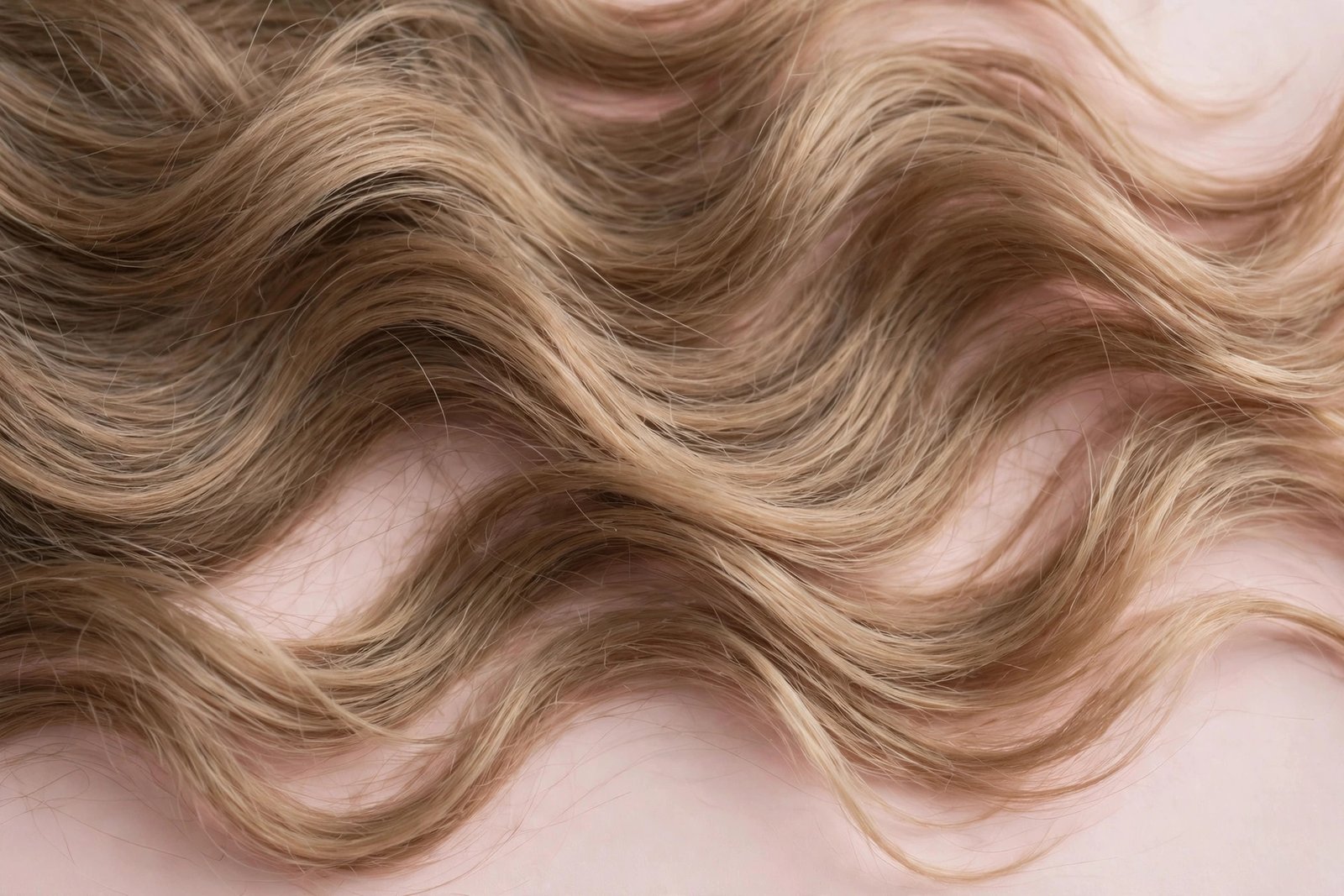
Wavy hair is usually described in three types. 2A hair is fine and loose, with a gentle S shape that starts halfway down and is easy to lose. It frizzes mostly at the ends and on top, where the wave is weakest. 2B hair has a clearer S shape from the roots, with more body and more frizz through the lengths. 2C hair has strong waves that almost curl at the ends, with the most volume and the most frizz of the three.
The type matters because it sets how much product your hair can carry. 2A hair can take very little before it goes flat. A pea sized amount of leave-in is often enough for the whole head. 2B hair can take a little more, and usually needs it, because the wave is stronger and dries out faster. 2C hair can take the most, and often needs a cream as well as a gel or mousse to hold the shape.
If you are not sure which type you are, look at your hair on a day when it has air dried with no product and no brushing. The shape it takes on its own is your type. Brushed, straightened or heat styled hair will not tell you anything useful. And if your hair looks wavy on top and almost straight underneath, or curly in some places and wavy in others, that is normal. Most wavy hair is a mix, and you should build the routine around the strongest wave, then use less product on the straighter parts.
Why wavy hair frizzes
Wavy frizz has three usual causes, and they often arrive together. The first is dryness. A wave is a bend, and every bend is a place where the surface can lift. When the surface lifts, the wave separates into single strands, and those strands read as frizz. The nine causes in Why Is My Hair So Dry and Frizzy? 9 Causes and What Helps apply to wavy hair as much as to any other type, and dryness is the one to check first.
The second is weight. Heavy products pull a wave straight while it dries, and a pulled wave dries in a half straight, half wavy shape that frizzes at the bend. This is why wavy hair often looks good for an hour after styling and then falls apart. The product that was supposed to hold it was too heavy to let it hold itself.
The third is handling. Brushing wavy hair when it is dry pulls every wave apart. Towel drying it hard roughens the surface. Touching it while it dries breaks the clumps as they form. Each of these feels small, and together they are usually the reason a wash day fails. The full wash day method, step by step, is in Why Is My Hair Frizzy After Washing? (And How to Stop It), and it is worth following closely for waves, because the wash sets up the wave for the rest of the day.
If you are not sure whether your frizz is a moisture problem or a protein problem, the stretch test in Protein or Moisture? How to Tell What Your Hair Actually Needs takes two minutes and points you the right way. Wavy hair that needs protein goes limp and stretchy, while wavy hair that needs moisture goes dry and rough, and they need different fixes.
Wash gently, and condition lighter than you think
A wavy wash day starts with a gentle wash. Use a moisturising shampoo, use less than you think, and keep it on the scalp. Massage with your fingertips and let the rinse clean the lengths. A strong shampoo worked through the waves strips the oils that keep the surface smooth, and stripped waves spring apart as they dry.
Conditioner is where most wavy routines go wrong, in both directions. Too little and the waves dry rough. Too much and they go flat. The fix is to condition the lengths and ends only, never the roots, and to rinse most of it out. Apply it from mid-lengths down, work it through with your fingers, leave it for two or three minutes, then rinse until the hair feels smooth but not coated. If your hair still feels slippery after rinsing, you have left too much in, and the wave will be weighed down.
For 2A hair, that rinse should be thorough. A light conditioner, rinsed well, is usually enough. For 2B hair, leave a very small amount in the ends, no more than what clings after a quick rinse. For 2C hair, you can leave a little more in, because the stronger wave needs more moisture to hold its shape. Detangle while the conditioner is in, with your fingers or a wide tooth comb, starting from the ends. Detangling on dry hair breaks waves apart, so do it here, while the hair is slippery, and do not do it again once the hair is dry.
Style on soaking wet hair
The first rule of a wavy wash day is that styling starts in the shower, not after it. Wavy hair is at its most cooperative when it is soaking wet. The waves clump together naturally, the surface is smooth, and products spread evenly. Once hair starts to dry, that window closes, and trying to reshape it afterwards usually creates frizz instead of removing it.
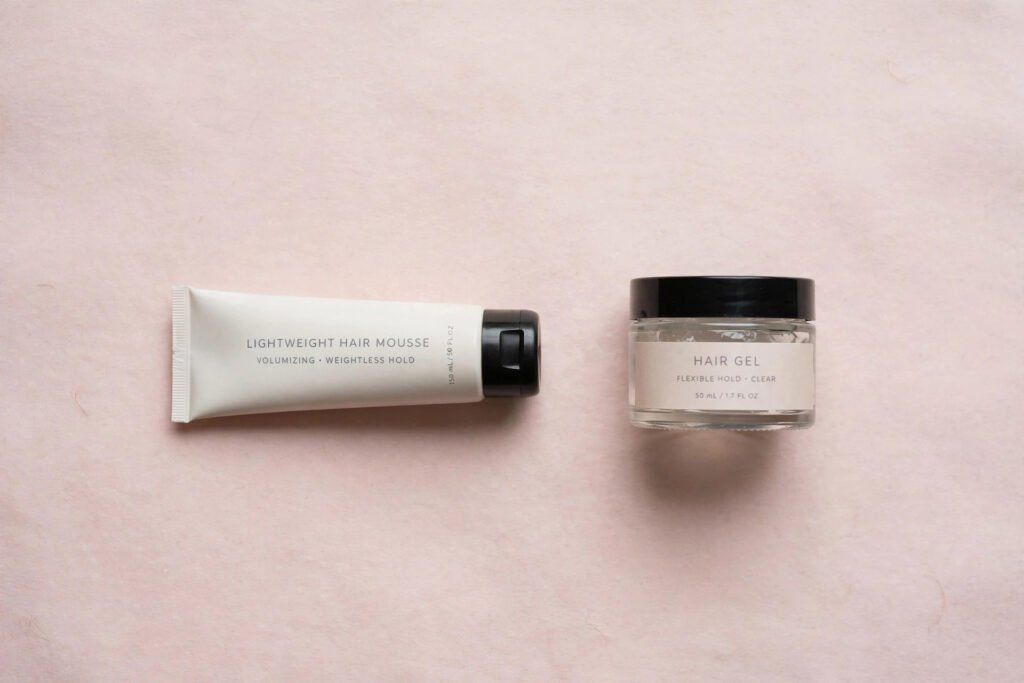
So have your products ready before you wash. Step out of the shower, squeeze out the dripping water with your hands, and apply product while the hair is still very wet. For most wavy hair, the order is leave-in first, then a holding product. The leave-in should be light, a spray or a thin cream, applied mainly to the lengths and ends. The holding product is usually a mousse or a light gel, and this is where the wave type matters most. 2A hair often does best with mousse alone, because gel can be too heavy. 2B hair usually needs a small amount of gel over the mousse to hold the S shape. 2C hair can take a gel on its own, applied in sections so every wave gets some.
Use less than you think, especially the first time. You can always add more next wash day, but you cannot take product out once it is in, and too much is the most common reason a wavy wash day fails. If your hair feels coated or sticky while it is still wet, you have used too much. Rinse your hands, squeeze the hair gently with water from the shower, and start again with half the amount.
Scrunch, plop lightly, then hands off
Once the product is in, scrunch the hair upwards towards the scalp, in sections, with your hands or a soft cotton T-shirt. Scrunching pushes the wave back into its shape and squeezes out extra water at the same time. Do it gently. Hard scrunching with a rough towel roughens the surface and creates the frizz you are trying to avoid.
Plopping works for wavy hair, but lightly. Lay a cotton T-shirt flat, tip your hair onto it, wrap it loosely, and leave it for ten to fifteen minutes. That is enough to take out the dripping water without pulling the wave flat. The full plopping method is in Curly Hair Frizz: A Wash-Day Routine for Defined Curls, and the difference for waves is the time. Curly hair can stay plopped for half an hour or more. Wavy hair left that long often dries in a flattened shape, so keep it short.
After plopping, let the hair air dry, or diffuse on low heat with the dryer on its lowest setting. Hold the diffuser still under each section for a minute or two instead of moving it around, because moving it blows the waves apart. Diffusing takes longer than air drying, but it holds the wave better on 2B and 2C hair, especially on humid days. If you air dry, the one rule is hands off. Do not keep touching the hair to check on it. Every touch while it dries breaks a clump and makes a little more frizz.
When the hair is fully dry, scrunch out any crunch from the gel with dry hands or a drop of oil smoothed over your palms first. This is called scrunching out the crunch, and it is the step that turns stiff waves into soft ones. Do it only when the hair is completely dry. Scrunching damp hair breaks the wave before it has set.
Refreshing on day two and three
A good wavy wash day should last more than a day. On the second and third morning, do not wash again and do not brush the waves out. Instead, refresh them. Wet your hands, smooth a little water over the surface, and scrunch a small amount of water or a light leave-in spray into the waves that have loosened. A silk or satin pillowcase helps here as well, because cotton pulls moisture out of wavy hair overnight and roughens the surface while you sleep. The overnight method is covered in full in How to Prevent Frizzy Hair Overnight and Refresh It in the Morning, and it is worth reading if your wash day looks good on day one and falls apart on day two.
If the top layer is the problem, a light mist of water over the top, smoothed down with your palms, usually settles it. Do not brush the top layer. Brushing lifts it back up. If the ends are the worst part, they may be telling you something beyond the routine. Dry, frizzy ends that never settle are often damaged or split, and no styling method will fix them for long. That is a separate fix, covered in Dry, Frizzy Ends: How to Fix Them Without Cutting It All Off.
Humidity, and what to do when the wave drops
Humidity is the hardest test for wavy hair, because damp air does two things at once. It adds frizz to the surface, and it pulls the wave down, so the hair ends up both frizzy and flat. The defence is the same as for any frizz, moisturise properly, seal the surface on damp hair, and let it dry fully before you go out. The full humidity method is in How to Stop Frizzy Hair in Humidity, and it is worth following closely when the forecast is damp, because the wash before a humid day matters as much as the styling on the day itself.
On a humid day, use a little more holding product than usual, and diffuse instead of air drying if you can. Diffusing sets the wave before the damp air gets to it. Once the hair is dry, keep your hands off it. Every touch on a humid day lets damp air into the wave.
What not to do with wavy hair
A few habits undo a good wavy wash day faster than any product can fix it. Do not brush wavy hair when it is dry. A brush pulls every wave apart into separate strands, and the result is frizz, not smoothness. Detangle only in the shower, with conditioner in. Do not use heavy butters, thick creams or oils meant for curly hair on 2A or 2B waves. They weigh the wave down until it cannot hold its shape. Do not rub wavy hair with a regular towel. Squeeze or plop instead. Do not skip conditioner to save time, because unconditioned waves dry rough no matter how good the styling is. And do not keep touching your hair while it dries to check on it. Each of these feels small on its own, and together they are usually the reason a wash day fails.
If you change all of the above and the frizz stays exactly the same, look wider. Hard water can leave a mineral layer on wavy hair that no amount of gentle washing removes, and that needs a clarifying wash every few weeks. The signs are in Hard Water Hair: Signs Your Water Is Drying Your Hair Out. The full routine, with the wash, the mask, and the weekly rhythm, is in How to Care for Dry, Frizzy Hair: A Simple Routine That Works, and it is the foundation this wavy routine sits on.
Let the wave be a wave
Wavy hair does not need to be turned into curly hair, and it does not need to be straightened into submission. It needs a routine light enough to let the wave hold itself. Wash gently, condition the lengths only, style on wet hair with a light hand, scrunch instead of brush, and leave it alone while it dries. The test is simple. If the wave holds its shape into the second day and the ends stay soft instead of puffing up, the routine fits. If the wave falls flat by midday, use less product next time, not more. Wavy hair rewards a light hand, and once you find the amount that works, the same wash will keep working.

One Comment