
How to Care for Dry, Frizzy Hair: A Simple Routine That Works
Affiliate Disclosure: This post contains affiliate links. As an Amazon Associate I earn from qualifying purchases, at no extra cost to you. Buying through these links helps support Blushra and keeps our guides free to read. Product prices and availability can change, so please check Amazon for the latest details. See the Affiliate Disclosure page for more information.
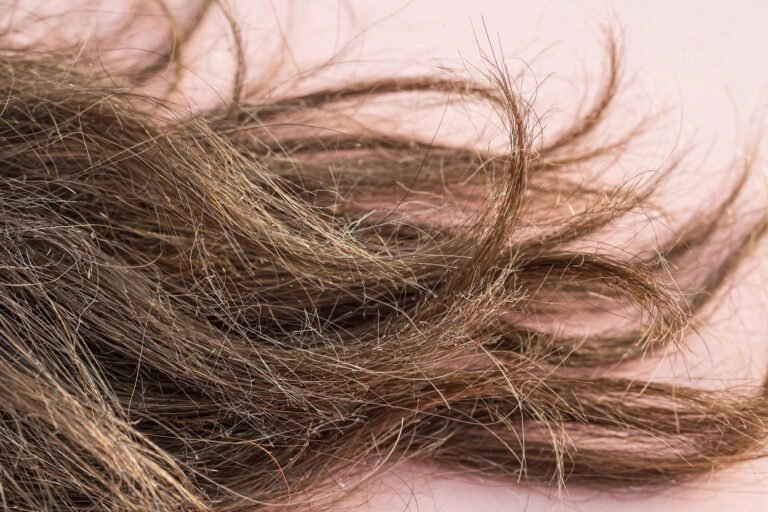
Dry, frizzy hair is usually thirsty hair. When hair lacks moisture, the outer layer lifts and roughens, and that is what you see as frizz: flyaways, a rough texture, and hair that will not sit smooth no matter how much you brush it.
The fix is not one miracle product. It is a simple, gentle routine that adds moisture back, protects it, and stops the habits that dry hair out further. Done consistently, it
makes a visible difference in a few weeks.
In a hurry? A five minute frizz fix
If your hair has puffed up and you are about to walk out the door, skip the brush. Brushing dry, frizzy hair just lifts it more. Instead, wet your palms and fingertips and smooth them over the frizzy areas. The water settles the surface back down and wakes up whatever product is already in your hair.
Then warm one or two drops of hair oil, or a pea-sized amount of leave-in conditioner, between your palms and press it over the top layer and the ends. Keep it off the roots so your hair does not look greasy. For stubborn flyaways around the hairline, smooth them down with the last of the product on your fingertips.
This is a rescue, not a replacement for the routine below. It buys you a smoother day, and the routine is what stops the frizz coming back as strongly.
If humidity is the trigger, the four steps in How to Stop Frizzy Hair in Humidity cover it in order: moisturise, seal, dry fully before going out, and a calm midday fix.
What causes frizz?
Frizz has a few common causes: washing with water that is too hot, shampooing too often, using harsh shampoos, brushing dry hair aggressively, heat styling without protection, and dry weather. Colouring and chemical treatments can also leave hair drier and more prone to frizz.
You cannot change the weather or your hair type, but you can change how you wash, dry, and style your hair, and that is usually enough to calm frizz down a lot.
If you want the full breakdown of the nine causes and what helps each one, read Why Is My Hair So Dry and Frizzy? 9 Causes and What Helps.
One cause deserves its own article: if your water is hard, Hard Water Hair: Signs Your Water Is Drying Your Hair Out explains the signs and the clarifying versus chelating fix.
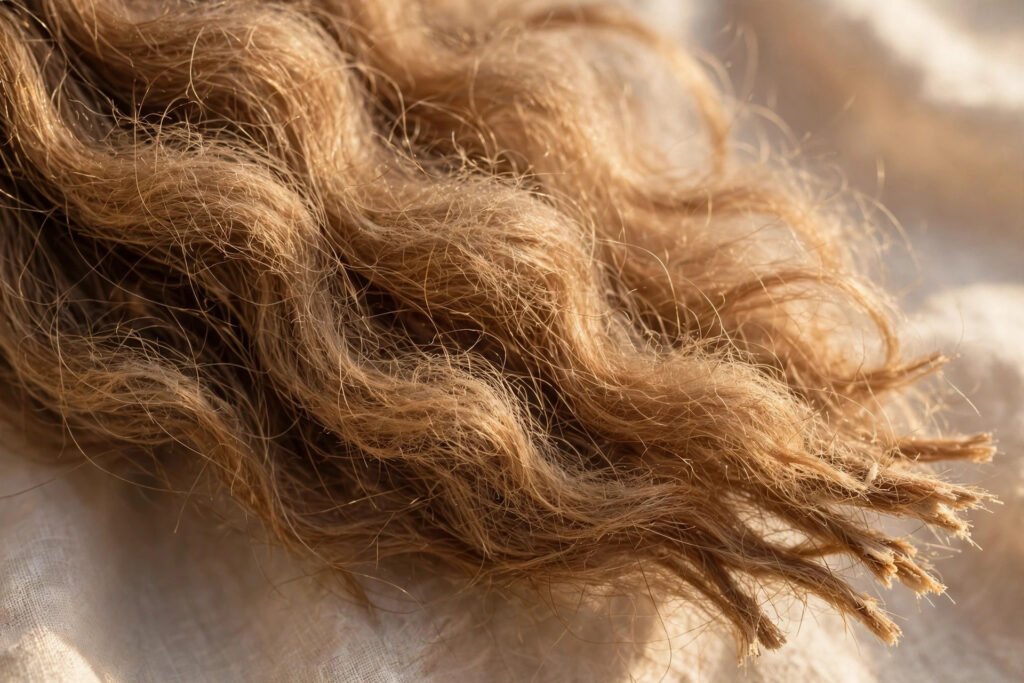
Step 1: Wash less harshly
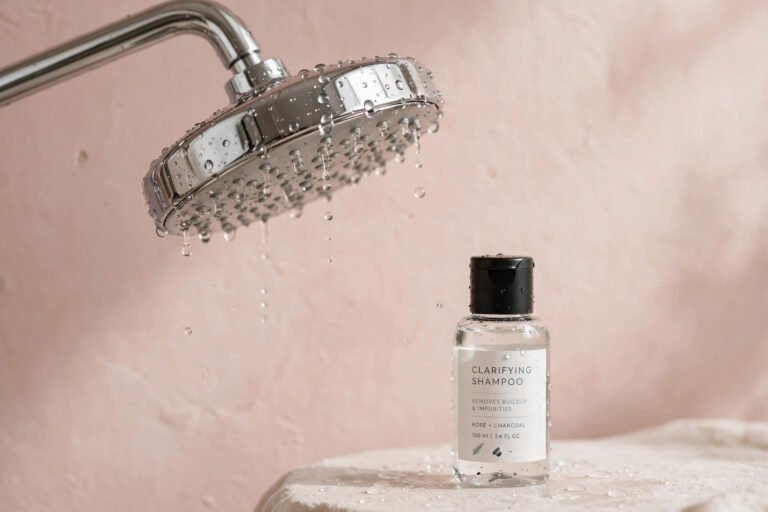
Start with a gentle, moisturising shampoo, and use it mainly on your scalp. The lengths of your hair do not need a lot of shampoo. The rinse will clean them as the shampoo washes down.
Wash with lukewarm water, not hot. Hot water strips moisture from hair and leaves it rougher. If you currently wash every day, try stretching to every two or three days if you can; dry hair usually does better with less frequent washing.
Use a small amount of shampoo, massage your scalp gently with your fingertips, and rinse well. Avoid piling your hair on top of your head and scrubbing it. That tangles it and roughens the surface.
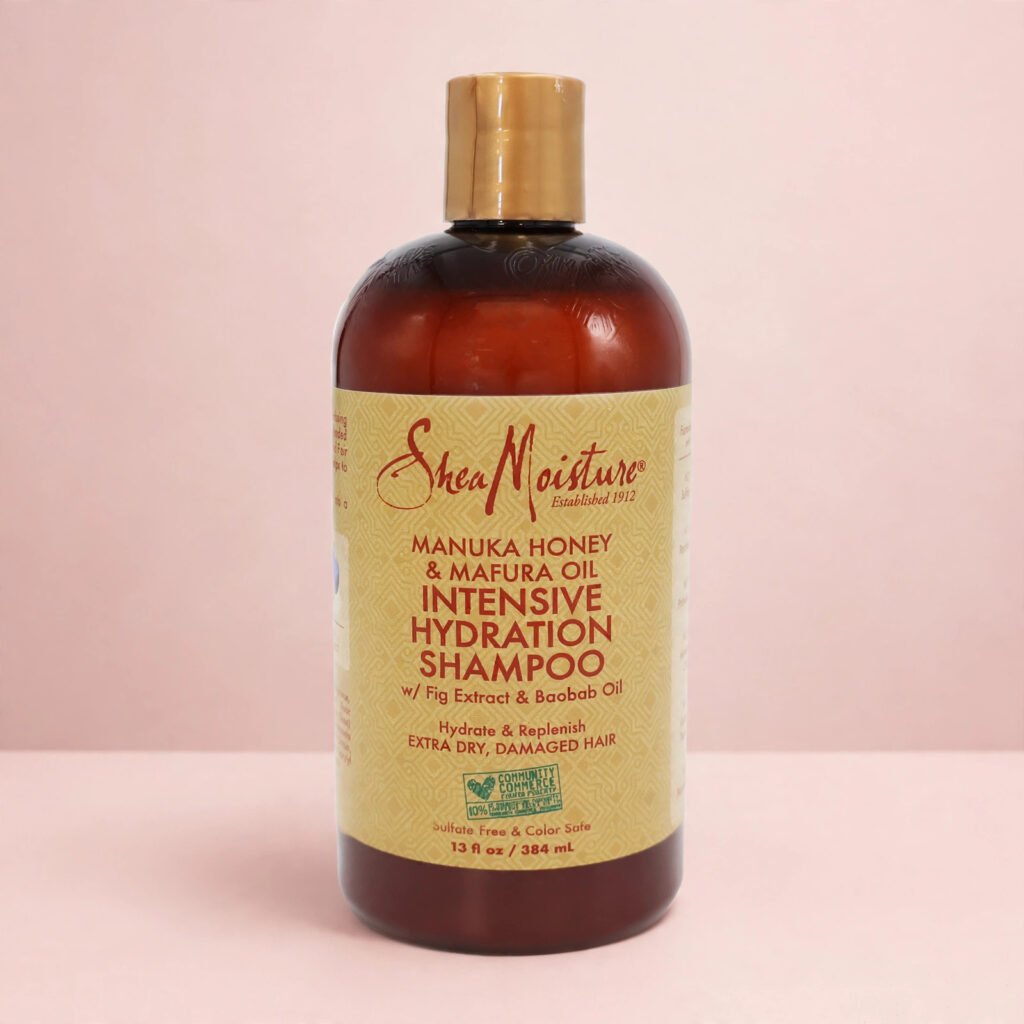
SheaMoisture Manuka Honey & Mafura Oil Intensive Hydration Shampoo
a sulfate-free moisturising shampoo made for dry, damaged hair, which is exactly the gentle wash this step calls for. Use it mainly on the scalp and let the rinse clean the lengths.
Step 2: Conditioner, every wash
Conditioner is not optional for dry, frizzy hair. Apply it to the mid-lengths and ends, where hair is oldest and driest, and keep it off the scalp if your roots get oily easily.
Leave it on for two to three minutes before rinsing, so it has time to smooth the hair. Rinse with cool or lukewarm water. A cooler final rinse helps the hair surface lie flatter, which means less frizz when it dries.
If your hair is very dry, a leave-in conditioner after washing adds an extra layer of moisture and makes detangling much easier.
Step 3: A hair mask, once a week
A weekly hair mask is the deep-moisture step in this routine. After shampooing, apply the mask to damp hair, mainly on the lengths and ends, leave it for ten to fifteen minutes, then rinse.
You do not need to use a mask every wash. Once a week is enough for most people. If your hair is very dry or damaged, twice a week for a few weeks can help, then go back to once a week for maintenance.
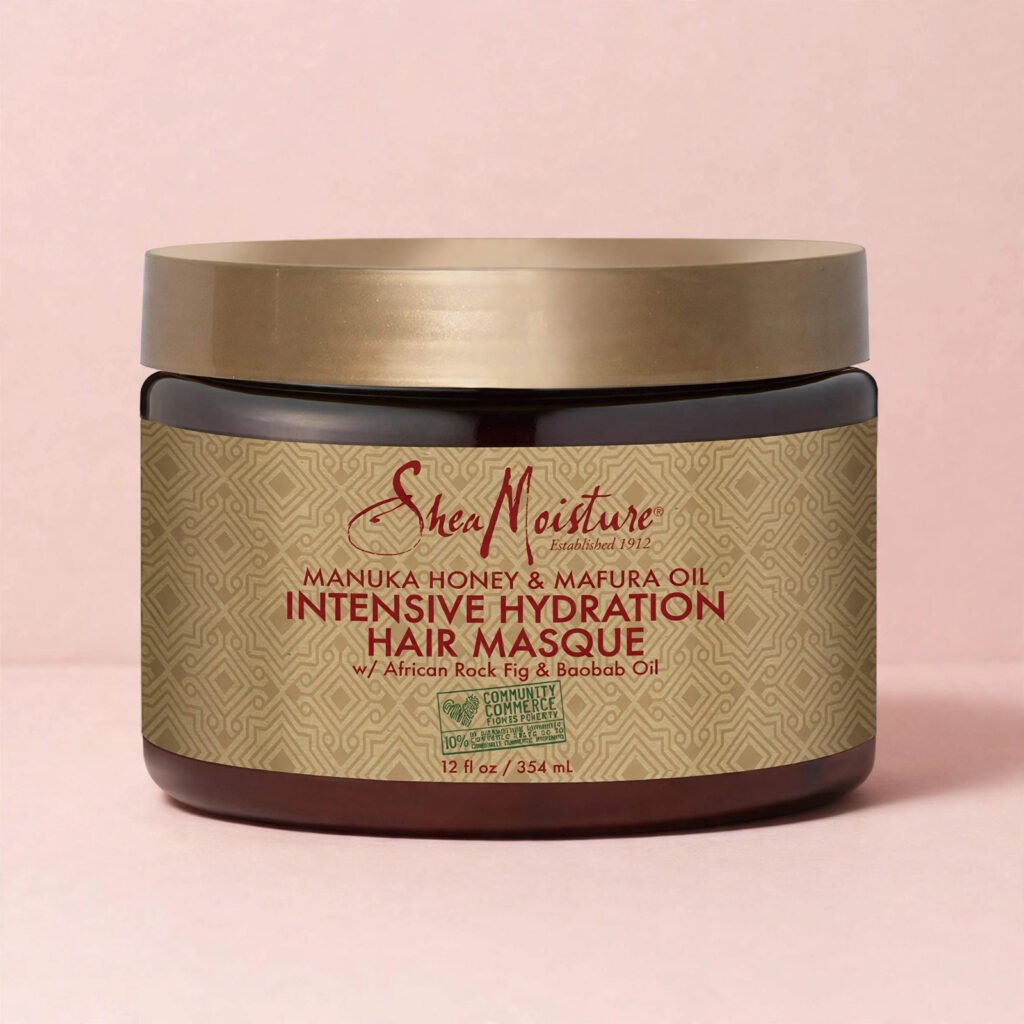
SheaMoisture Intensive Hydration Hair Masque (Manuka Honey & Mafura Oil)
the matching deep-conditioning mask from the same range as the shampoo above. Use it once a week in place of your regular conditioner, on the lengths and ends, for ten to fifteen minutes.
Not sure whether your hair needs this mask’s moisture or a protein treatment instead? The stretch test in Protein or Moisture? How to Tell What Your Hair Actually Needs tells you in two minutes.
If the ends are the worst part, the fix is in Dry, Frizzy Ends: How to Fix Them Without Cutting It All Off. Split ends need trimming, dry ends need a mask on the ends first.
Step 4: Leave-in product and heat protection
After washing, gently squeeze out excess water with a soft towel or an old cotton T-shirt. Do not rub your hair roughly, as rubbing creates frizz. Then apply a small amount of leave-in conditioner or hair oil to damp hair, focusing on the ends.
If you use a hair dryer, straightener, or curling iron, always use a heat protectant first. Heat without protection dries hair out further and makes frizz worse over time. Use the lowest heat setting that works for you, and keep the dryer moving rather than holding it in one spot.
A few drops of hair oil on the ends after styling can smooth flyaways and add shine. Start with a very small amount. Too much oil will make hair look greasy, and you can always add more.
Step 5: How you dry and brush matters
Let your hair air-dry when you can, or use a dryer on a low, cool setting. If you brush your hair, do it gently with a wide-tooth comb or a soft brush, starting from the ends and working up. Brushing dry, frizzy hair from the roots down often makes frizz worse. Detangle while hair is damp and conditioned instead.
At night, a loose braid or a silk or satin pillowcase can reduce friction and morning frizz. It is a small change, but many people notice smoother hair in the morning after switching.
If your hair frizzes most on wash day itself, the wash is the place to look. Why Is My Hair Frizzy After Washing? (And How to Stop It) goes through it step by step.
The night side of this is covered in How to Prevent Frizzy Hair Overnight and Refresh It in the Morning: dry hair before bed, a smooth pillowcase, and a loose braid or pineapple.
What to avoid
Avoid washing with very hot water, overusing heat tools, brushing dry hair hard, and using products with a lot of alcohol, which can dry hair out. Avoid changing shampoos and treatments every week. Give a gentle routine at least three to four weeks before judging it.
Also avoid expecting overnight results. Hair improves gradually as new, healthier-feeling lengths grow and the existing hair gets regular moisture. The first change most people notice is softer ends and less breakage, then smoother styling over time.

A simple weekly routine to follow
- Wash days (2–3 times a week); gentle shampoo, conditioner, leave-in, heat protectant if styling.
- Once a week; hair mask instead of regular conditioner.
- Daily; a drop or two of hair oil on the ends if needed, gentle brushing, and protection from excessive heat.
- Night; loose braid or silk pillowcase.
Prefer a kitchen version of the weekly mask? Frizzy Hair Home Remedies That Actually Help covers the avocado, coconut oil and vinegar options, and what each one actually does.
Curly hair follows the same weekly rhythm with a few extra steps. Curly Hair Frizz: A Wash-Day Routine for Defined Curls covers wet styling, scrunching, plopping and diffusing.
Wavy hair follows the same rhythm with a lighter hand. Wavy Hair Routine for 2A, 2B and 2C Hair (Without the Frizz) covers washing, wet styling, scrunching and diffusing for each wave type.
Fine, thin hair follows the same routine with the lightest touch. Fine, Thin Frizzy Hair: Fixes That Won’t Weigh It Down covers static versus humidity frizz, light washing, and a pea sized leave-in.
Keep it simple, keep it gentle, and be consistent. That is the whole routine.
Give it a few weeks
Frizz rarely settles in a day, so judge this routine after a few weeks, not a few washes. If your hair still feels dry, change one thing at a time. Try a richer mask, say, or use less heat. Moisture, gentle handling, and heat protection are doing the real work here, not a pile of extra products.



3 Comments